

Last Updated on November 19, 2025
If you’ve ever stood by the rails at Ascot, Aintree or Cheltenham and watched the confident punters weaving through the betting ring, you might have felt a little out of your depth. The bookmakers shout out odds, odds boards flicker and update, and everyone seems to know what they’re doing.
It can all seem a bit daunting if you’re new to it—but placing a bet with an on-course bookmaker is far simpler than it looks. With a few clear tips, you’ll be ready to enjoy the experience like a regular.
Why the Pre-Parade Ring Matters
Before you head to the betting ring, make time to visit the pre-parade ring. This is where the horses are first brought out to be saddled before heading into the main parade ring and then out onto the course. It’s an opportunity to see the horses up close, and for many seasoned racegoers, it’s an essential part of making an informed decision.
You don’t need to be a horse expert to pick up useful clues. Just a few minutes watching the horses can tell you a lot about how they’re handling the day. Here’s what to look out for:
Overexcited or agitated horses – A bit of energy is fine, but if a horse is sweating heavily, rearing, jig-jogging constantly or throwing its head around, it might be using up too much nervous energy before the race even begins. This is often referred to as a horse “boiling over.”
Too relaxed or disinterested – On the flip side, some horses can appear too flat or sleepy in the pre-parade ring. A lack of alertness or interest might suggest the horse isn’t in the mood to race.
Moving well – Watch how the horse walks. A good, flowing stride and a calm, focused demeanour can be a great sign. Look for a horse that walks with purpose but without tension.
Shiny coat, bright eyes – Signs of good health and fitness. A glossy coat and general alertness can suggest the horse is in peak condition.
Sweating – A light sheen around the flanks is often nothing to worry about, especially on a warm day. But dark, patchy sweating, especially between the front legs or on the neck, may suggest nerves.
You can still back a fancied horse even if it looks a little on edge—but watching how horses behave before the race can sometimes steer you away from a bad bet, or give you confidence to support an outsider who looks particularly well.
Soak Up the Atmosphere First
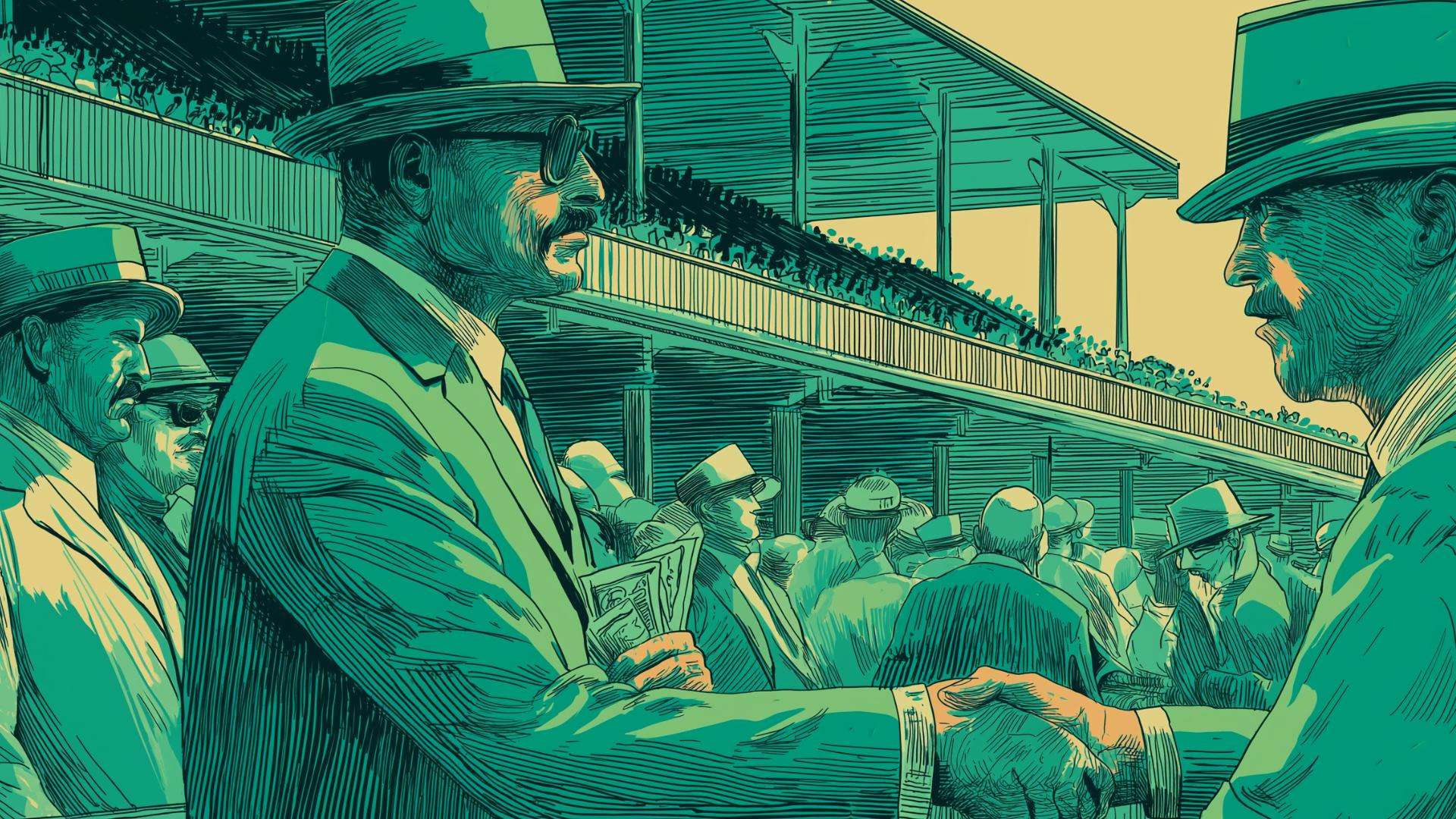
Once you’ve watched the horses and made some mental notes, head over to the betting ring. The betting ring at a racecourse is part of the tradition and excitement of the day. You’ll see rows of bookmakers’ stands lined up with brightly lit boards showing the odds for each horse in the upcoming race. Punters will be discussing the form, flicking through race cards, or simply picking a name they like the sound of.
This is all part of the fun. You don’t need to rush in. Take a slow walk along the line of bookmakers and keep an eye on the odds they’re offering. You’ll soon notice that prices can vary slightly between stands. That’s perfectly normal, and part of the reason many experienced racegoers take their time before deciding where to bet.
Understanding the Odds
Most bookmakers at UK racecourses display fractional odds, such as 5/1 or 7/2. This tells you how much you’ll win in profit for every £1 staked.
- If the odds are 5/1, you’ll win £5 profit for every £1 you bet (plus your stake back).
- If the odds are evens (shown as 1/1 or sometimes Evs), you win £1 for every £1 staked.
The higher the number on the left, the more the horse is considered an outsider. Lower odds often mean the horse is more fancied to win.
Picking Your Bet Type
Once you’ve found a bookmaker offering odds you like, it’s time to decide what sort of bet to place. Keep it simple—most racegoers stick to one of these two types:
- Win Bet – You’re betting on your chosen horse to finish first. If it doesn’t win, you lose your stake.
- Each Way Bet – This is two bets in one: one part on the horse to win, the other part on it to finish in the places (usually the top 3 or 4, depending on the size of the field). So if you bet £2 each way, the total cost is £4.
Each way terms vary slightly between bookmakers depending on how many runners there are, so it’s worth checking the place terms shown on their board or simply asking.
How to Place the Bet
Approach the bookmaker’s stand when you’re ready. It’s a good idea to know:
- The number of the horse you’re backing (as shown in the racecard)
- The type of bet (win or each way)
- The amount you want to bet
Bookmakers are used to first-timers and are usually helpful, especially if you’re polite and clear. Say something like:
“Five pounds win on number three, please.”
“Two pounds each way on number seven.”
Hand over your money, and they’ll give you a printed betting slip (also known as your ticket). Keep this safe—it’s your proof of the bet and you’ll need it if your horse finishes in the money.
Can You Ask for Better Odds?
If you’re placing a larger bet, say £100 or more, you can sometimes ask: “Any chance of a better price?” It’s not considered cheeky—it’s part of the game. The bookmaker might say yes, particularly if you’re betting on a horse they haven’t taken much money on yet. Worst they can do is say no.
After the Race – Collecting Your Winnings
Once the race has finished, you’ll hear an announcement over the loudspeakers: “Weighed in.” This confirms the result is official and all bets can now be settled.
To collect any winnings, simply return to the same bookmaker’s stand with your ticket. They’ll check the result, confirm the payout, and hand you your money. If you placed an each way bet and your horse finished in the places but didn’t win, you’ll still receive a return—though less than if it had won outright.
Betting Ring Etiquette
The racecourse betting ring is a welcoming place, but a bit of basic etiquette helps:
- Have your money ready before approaching the stand, especially when it’s busy.
- Stick to clear bet amounts—£2, £5, £10 and so on. Avoid asking for obscure amounts like £2.17!
- Check your ticket before walking away. Make sure it shows the correct horse and stake.
- Don’t block the front of the stand once you’ve placed your bet. Step aside to let others in.
Bookmakers deal in fast-paced environments, especially as race time approaches, so the clearer and quicker you are, the smoother it’ll go.
Cash or Card?
Traditionally, cash was king in the betting ring. These days, many on-course bookmakers accept debit cards using handheld contactless machines, though not all do. If you’re planning to bet regularly during the day, it’s still sensible to bring enough cash to avoid any last-minute scrambles.
What if You Lose Your Ticket?
Unfortunately, your betting slip is your only proof of the bet. If you lose it, the bookmaker is under no obligation to pay out—even if your horse wins. So always check your ticket before you leave the stand and keep it somewhere safe (wallet, purse, zipped pocket).
On-Course Bookmakers vs Other Betting Options
While you’re at the races, you’ll likely see other betting options too, including:
The Tote – Offers pool betting, where all the bets go into a pot and are shared among winners. Often better for large-field place bets.
Online bookmakers – Some racegoers place bets on their phones using apps to take advantage of best odds guaranteed offers. It’s handy, but lacks the human connection of the betting ring.
Betting shops – On some racecourses, you’ll find on-site betting shops operated by big names like Coral or Ladbrokes.
There’s no right or wrong way to place a bet, but there’s something special about doing it face-to-face with a bookie. It’s part of the race day experience.
Quick Summary: Your First On-Course Bet
- Watch the horses in the pre-parade ring for clues before you bet
- Walk the ring and compare odds before choosing a bookmaker
- Decide whether you want a win or each way bet
- Know your horse’s number and stake before approaching
- Speak clearly, hand over your cash, and keep your ticket safe
- Listen for “Weighed In” before collecting any winnings
- Don’t be afraid to ask questions—bookmakers are used to helping newcomers
Final Word
Betting with an on-course bookmaker is one of the great traditions of British racing. It’s a chance to be part of the action, enjoy the atmosphere, and perhaps walk away with a little extra in your pocket. Whether you’re backing a red-hot favourite or a longshot with a quirky name, the process is straightforward and welcoming.
Everyone was new once—so take your time, have a flutter if you fancy it, and enjoy one of the most time-honoured parts of a day at the races.


